PRP hair restoration is a non-surgical treatment designed to support thinning hair by using platelet-rich plasma from the patient’s own blood. Hair loss affects millions of men and women, and many patients want an option that feels natural, minimally invasive, and focused on improving hair density over time.
At TRU Medical Aesthetics & Wellness, PRP hair restoration is guided by Shanni Sutton, MSN, FNP-C, a board-certified family nurse practitioner with training in aesthetics, functional medicine, hormone replacement therapy, and wellness-focused care. Her whole-person approach helps patients explore hair restoration thoughtfully, with attention to health history, treatment consistency, and realistic expectations.
What Is PRP?
PRP stands for platelet-rich plasma, a nutrient-dense component found in the blood. Platelets contain growth factors involved in cellular repair, tissue healing, blood vessel support, and regeneration in microenvironments such as hair follicles, joints, and skin.
Platelet-rich plasma has a long history of use in medicine for tissue healing and recovery. Because PRP supports regenerative processes, it has become a popular option in hair restoration for patients experiencing thinning hair or early hair loss.
How PRP Supports Thinning Hair
The primary purpose of PRP treatment for hair loss is to stimulate activity in the hair follicles. In some patients, this may help encourage a more active hair growth phase in follicles that have become less productive. PRP may also support the active phase of newly implanted hair follicles for patients who have undergone hair restoration surgery.
PRP contains several growth factors, including platelet-derived growth factor, vascular endothelial growth factor, fibroblast growth factor, epidermal growth factor, and insulin-like growth factor. These growth factors are involved in processes such as blood vessel formation, cell growth, collagen support, tissue repair, and cellular signaling.
Behind the scenes, PRP facilitates a sophisticated regenerative response. On the surface, patients may notice reduced shedding, improved thickness, and increased hair density when treatment is performed consistently and they are good candidates.
What Happens During PRP Hair Restoration?
PRP may be introduced to the scalp in more than one way. One technique uses microneedling to create controlled microchannels in the superficial tissue. PRP can then be applied topically, allowing it to penetrate the scalp before the microchannels begin to close.
Another common technique is injecting PRP directly into areas of thinning hair. Treatment begins with a brief blood draw. The blood is then processed in a centrifuge, which spins the sample to separate platelet-rich plasma from red blood cells. A topical anesthetic may be applied to numb the scalp before injections are administered to the appropriate areas.
The introduction of platelet-rich plasma into areas of inactive or underperforming hair follicles is intended to stimulate a regenerative process and support healthier growth cycles. Most patients need a series of treatments to achieve the best possible outcome.
Is PRP Hair Restoration Right For You?
PRP hair restoration may be appropriate for patients with androgenic alopecia at the crown or hairline. Women with alopecia and men or women with diffuse thinning may also be candidates for treatment.
PRP may be used on its own or alongside other hair restoration strategies, including medications such as minoxidil or hair restoration procedures. A consultation is the best way to determine whether PRP is appropriate based on the pattern of hair loss, medical history, goals, and expectations.
Frequently Asked Questions
PRP hair restoration begins with a brief blood draw, followed by centrifugation to separate the platelet-rich plasma from the red blood cells. During this time, topical numbing medication may be applied to the scalp. The injection portion is meticulous because PRP is placed across the thinning area in a precise pattern, but the appointment is typically completed in a relatively short visit.
In most cases, there is little to no downtime after PRP hair restoration. Because PRP injections stimulate a healing response, patients are usually advised not to take anti-inflammatory medication immediately after treatment unless directed by a provider. TRU Medical Aesthetics & Wellness gives patients aftercare instructions and discusses appropriate ways to manage any temporary discomfort.
Consistency is important for achieving satisfying results from PRP hair restoration. Treatments are typically scheduled monthly for the first several sessions, and patients may begin noticing improvement within two to three months. Reduced shedding is often one of the first changes, followed by gradual improvement in hair thickness, length, and density. After the initial series, maintenance treatments may be recommended every 3 to 6 months, depending on the patient’s response.
PRP is a promising hair restoration option because it uses platelet-rich plasma harvested from the patient’s own blood. Treatment is minimally invasive, convenient, and may be used as a stand-alone option or combined with other hair restoration strategies such as minoxidil or hair restoration surgery. PRP may be appropriate for patients with androgenic alopecia at the crown or hairline, women with alopecia, and men or women with diffuse thinning.
The risk of complications from PRP hair restoration is generally low. Common side effects may include minor discomfort at injection sites, itching, swelling, tenderness, or dry scalp. A consultation helps determine whether PRP is appropriate based on the patient’s medical history, scalp condition, hair loss pattern, and treatment goals.
Why Choose TRU Medical Aesthetics & Wellness For PRP Hair Restoration?
TRU Medical Aesthetics & Wellness offers PRP hair restoration with a focus on safety, consistency, and personalized care. Shanni Sutton, MSN, FNP-C, has completed several hundred hours of specialty training in aesthetic procedures, functional medicine, and hormone replacement therapy. Her background also includes more than 10 years in the ICU before becoming a nurse practitioner, which has given her strong clinical judgment and attention to detail.
Hair restoration requires more than a single appointment, so Shanni helps patients understand candidacy, treatment timing, maintenance, and realistic outcomes. Her caring, prevention-focused approach supports patients who want to improve hair density while also considering overall wellness and long-term confidence.
Support Fuller-Looking Hair In Lone Tree & Denver, CO
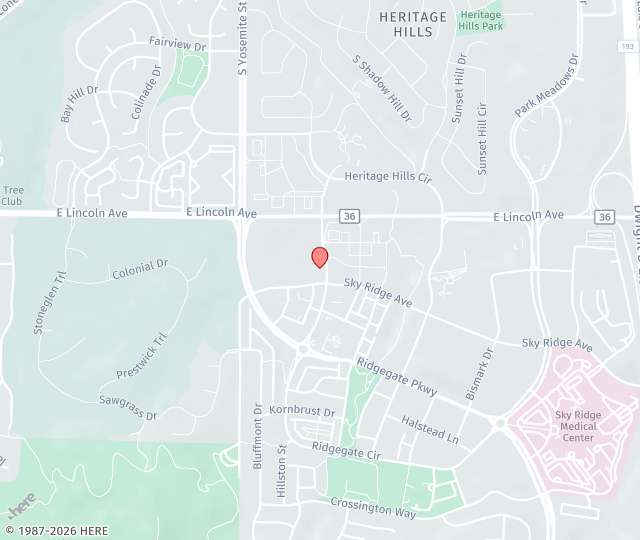
Hair loss may be common with aging, genetics, and health changes, but patients have options for supporting fuller-looking hair. PRP hair restoration can be a promising choice for those who want a natural treatment using platelet-rich plasma from their own blood. At TRU Medical Aesthetics & Wellness in Lone Tree, CO, patients from Lone Tree and Denver can receive personalized PRP guidance from Shanni Sutton, MSN, FNP-C, and can call (720) 710-5539 to schedule a consultation.